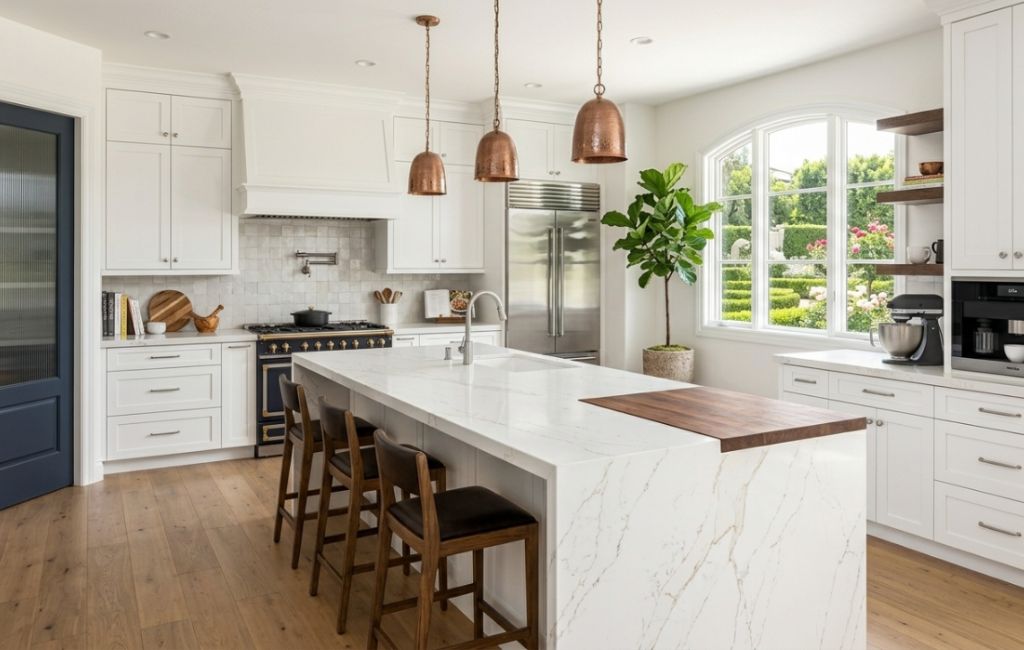
Kitchen renovations often come down to one detail that shapes the entire room: the counter surface. From color and texture to durability under daily wear, this single element influences how a kitchen looks and functions for years to come. For homeowners researching countertops in Lakewood, understanding the available materials, maintenance needs, and cost ranges makes the selection process far less overwhelming.
Popular Countertop Materials for Local Kitchens
Several surface materials dominate residential kitchens in Southern California, each offering a different balance of appearance, price, and upkeep.
Quartz Surfaces
Engineered quartz has become a favorite among homeowners who want a low-maintenance option that resists staining and scratching. Because it’s manufactured rather than quarried, quartz offers consistent patterns and a wide range of color choices.
Granite Slabs
Granite remains a long-standing choice for its natural variation and heat resistance. No two slabs look identical, which appeals to buyers who want a one-of-a-kind surface, though periodic sealing is recommended to maintain its finish.
Laminate Alternatives
For budget-conscious renovations, laminate continues to be a practical option. Modern laminate designs have improved significantly, mimicking the look of stone or wood grain at a fraction of the cost.
A quick comparison of common materials includes:
- Quartz – low maintenance, consistent pattern, mid-to-high price range
- Granite – natural stone, unique veining, requires occasional sealing
- Laminate – budget-friendly, wide design variety, less heat resistant
- Butcher block – warm aesthetic, needs regular oiling, prone to scratches
Matching Materials to Southern California Living
Climate and lifestyle both play a role in choosing the right surface. Homes in the region often deal with warm, dry weather for much of the year, which can affect certain wood-based or porous materials differently than in humid climates. Families who cook frequently may prioritize heat and stain resistance, while those focused on resale value often lean toward timeless finishes like quartz or granite that appeal to a broad range of buyers.
Households with young children or frequent entertaining tend to favor surfaces that tolerate spills and heavy use without constant upkeep. On the other hand, homeowners drawn to a more traditional or rustic kitchen style may still choose butcher block or soapstone despite the added maintenance, simply because the look fits their vision for the space.
Planning a Realistic Budget
Cost is frequently the deciding factor in material selection, and pricing can vary widely based on square footage, edge detailing, and installation complexity. Before committing to a material, it helps to account for:
- Material cost per square foot
- Edge profile and finishing details
- Removal and disposal of existing counters
- Plumbing or electrical adjustments near sinks and outlets
- Sealing or ongoing maintenance products
Getting multiple estimates and asking for an itemized breakdown helps avoid surprises once a project is underway.
Frequently Asked Questions
How long does a typical countertop replacement take? Most residential projects are completed within one to three days once templating and fabrication are finished, though timelines vary by material and scope.
Is quartz more expensive than granite? Pricing between the two is often comparable, with final cost depending on slab quality, thickness, and edge style rather than material type alone.
Can existing cabinets support a new stone countertop? In most cases, standard cabinetry can support quartz or granite, though older or damaged cabinets may need reinforcement beforehand.
Do all countertop materials require sealing? No. Natural stone like granite typically needs periodic sealing, while quartz and laminate do not require this step.
Final Thoughts
Selecting a countertop material involves weighing appearance, budget, and daily practicality. Homeowners who take time to compare options against their cooking habits, household needs, and long-term plans for the property tend to end up with a surface that holds up well and continues to suit the space for years to come.